Cubelet Ice Maker Home Guide for Daily Use
Cubelet Ice Maker Home: How to Choose and Use One Well
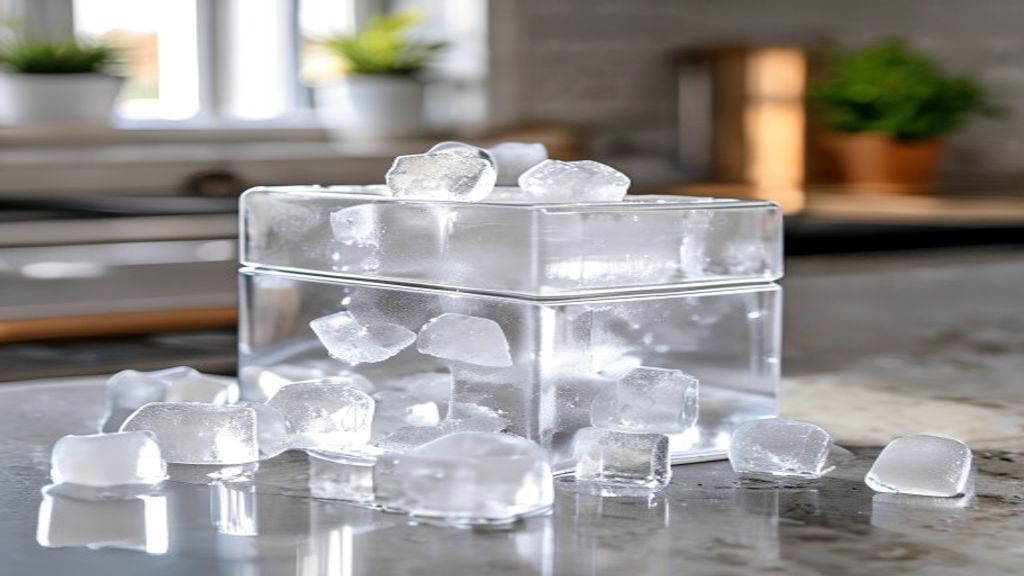
A cubelet ice maker home buyers can rely on turns everyday drinks into something cooler and more convenient. Soft, chewable cubelets melt slower than thin flakes in some setups and chill beverages quickly without watering them down as fast as crushed ice often does. For more background, see Learn more about cubelet ice maker home.
Whether you want ice for smoothies, soft drinks, or parties, the right countertop or undercounter unit can keep up with family routines. This Ice Maker Guides overview covers what cubelets are, how to pick a model, and how to keep yours running cleanly and efficiently.
What a Cubelet Ice Maker Does at Home
A cubelet ice maker home appliance produces small, soft ice pellets often called nugget or chewable ice. Many home units pull water from a reservoir or a plumbed line, freeze it on a cold surface, then extrude or break it into compact cubes that pack well in cups.
Compared with hard crescent cubes, cubelets chill drinks fast and feel pleasant to chew. They are popular for sodas, iced coffee, and blended drinks because they fill the glass evenly and hold cold longer than loose crushed ice in many everyday uses.
Cubelets vs. Cubes and Flakes
Hard cubes work well for long sipping and look classic in cocktails. Flake ice cools food displays and seafood but can melt quickly in drinks. Cubelets sit in the middle: soft enough to chew, dense enough to chill, and practical for a cubelet ice maker home kitchen where convenience matters most.
Best Everyday Uses
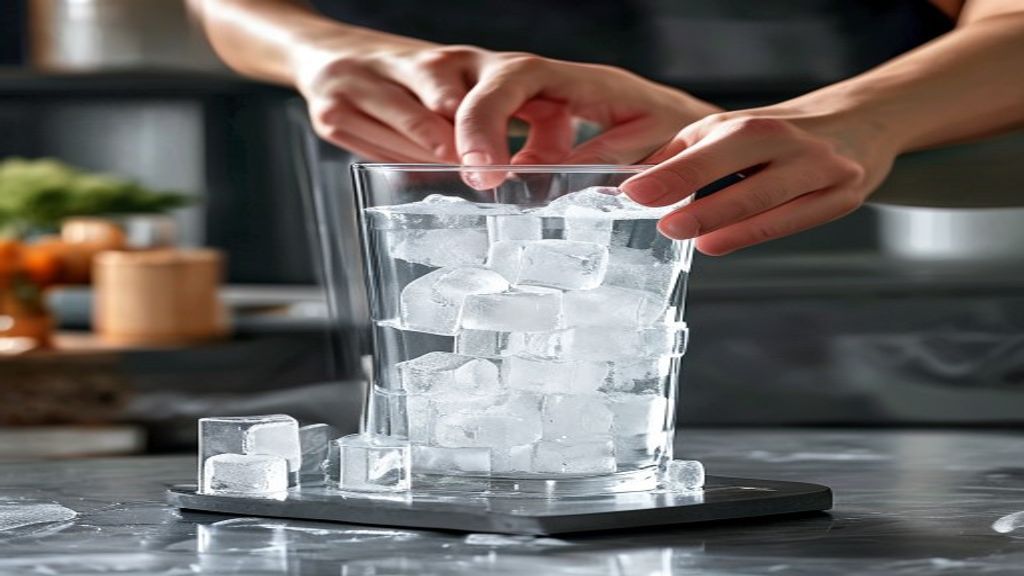
Use cubelets for soft drinks, sports drinks, iced tea, and blender recipes. They are also handy when guests arrive and you need ice on demand without a trip to the store. Keep a bin or insulated scoop nearby so you can serve quickly without leaving the machine open too long.
How to Choose the Right Cubelet Ice Maker for Your Home
Start with how much ice you actually need. A small household may do fine with a compact countertop unit that makes a few pounds per day. Larger families, home bars, or frequent entertainers should look at higher daily output and a bigger storage bin.
Also weigh placement, noise, and water source. Countertop models are flexible; plumbed undercounter units can feel more like a built-in appliance. Measure your counter depth, check outlet access, and leave space for airflow so the compressor does not overheat.
Capacity, Speed, and Storage
Check both production rate and bin size. A machine can make ice quickly but still feel limited if the bin is small and fills up during a party. For a cubelet ice maker home routine with kids and guests, prioritize steady daily output plus enough storage for peak evening use.
Noise, Size, and Maintenance Features
Read noise ratings if the unit will sit near a living space or open kitchen. Look for removable bins, accessible filters, and simple clean cycles. Self-cleaning modes and clear water-level indicators make ownership easier and help protect ice taste over time.
Setup, Cleaning, and Daily Care Tips
Place your cubelet ice maker on a level, heat-safe surface away from direct sun and stove heat. Use filtered water when possible to reduce mineral buildup and off flavors. If your model is plumbed, follow the manufacturer’s line and drain instructions carefully.
Clean on a schedule, not only when ice tastes odd. Empty leftover ice before long trips, wipe the bin, and run a descaling or cleaning cycle with the product recommended in the manual. Regular care keeps production steady and helps the machine last longer.
Water Quality and Taste
Hard water can leave scale on freezing surfaces and slow ice making. A basic pitcher filter or in-line filter often improves both taste and performance. Replace filters on time and avoid strongly flavored cleaners that could leave residue in the water path.
Simple Habits That Prevent Problems
Do not block side or rear vents. Scoop with a clean ice scoop, not glassware. If production drops, check water supply, ambient room temperature, and whether the bin sensor is blocked by packed ice. Small habits prevent most common cubelet ice maker home frustrations.
Is a Cubelet Ice Maker Worth It for Home Use?
For households that drink iced beverages daily, a dedicated cubelet unit can pay for itself in convenience and fewer store-bought ice runs. You get soft ice on demand, better drink texture, and less last-minute stress before guests arrive.
It may be less ideal if you rarely use ice, have very limited counter space, or prefer silent kitchens. In those cases, a simple tray or a refrigerator ice maker may be enough. Match the purchase to your real habits, not only to viral drink trends.
Who Benefits Most
Busy families, home offices, sports drink fans, and anyone who loves chewable ice usually get the most value. If your current freezer ice is sparse or slow, upgrading to a cubelet ice maker home model can noticeably improve daily routines.
Frequently Asked Questions
What is a cubelet ice maker for home use?
It is a machine designed to make small, soft nugget-style ice for household drinks and entertaining. Many models sit on the counter and use a water reservoir, while others connect to a water line for continuous supply.
How much ice can a cubelet ice maker home unit produce?
Output varies by model, but many home machines produce several pounds per day. Check both the daily production rating and the storage bin size so you know how much ice you can hold between cycles.
Do cubelet ice makers use a lot of electricity?
They use more power than a basic ice tray because of the compressor and motor, but most countertop models are designed for typical home kitchens. Actual usage depends on room temperature, how often the unit runs, and how full you keep the bin.
How often should I clean a cubelet ice maker?
Many manufacturers suggest cleaning every one to three months, or sooner with hard water or heavy use. Wipe the bin regularly, empty old ice, and follow the manual for descaling so mineral buildup does not slow production.
Can I put a cubelet ice maker in a garage or basement?
Only if the room stays within the temperature range listed in the manual. Very hot, cold, or dusty spaces can reduce ice quality and strain the compressor. A climate-controlled indoor spot is usually better.
Are cubelets the same as restaurant nugget ice?
They are similar in texture: soft, chewable, and good for soft drinks. Home machines vary in pellet size and density, so results can differ by brand, but the drinking experience is close to what many people enjoy at restaurants.
Conclusion
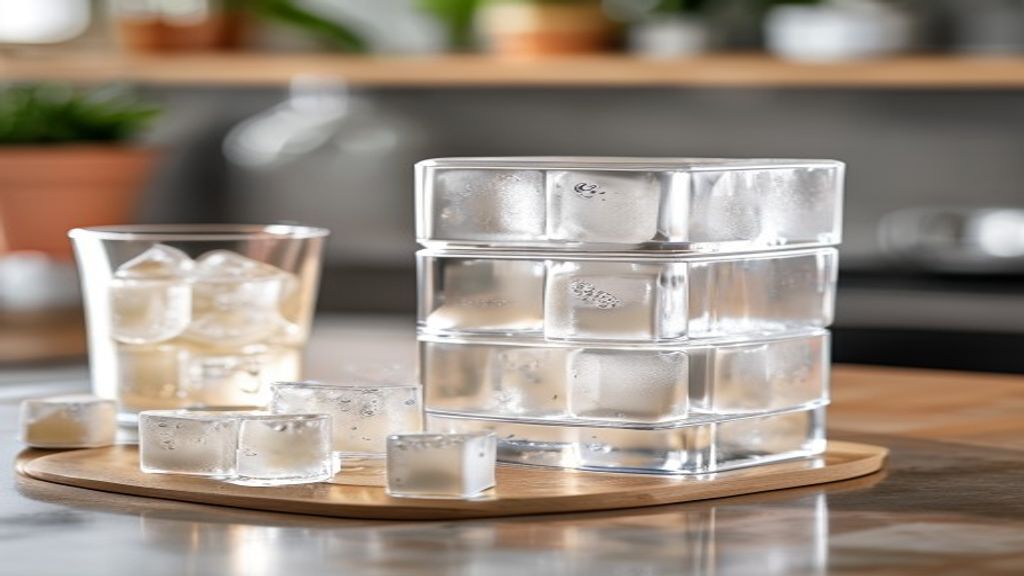
A cubelet ice maker home setup is a practical upgrade when you want soft, chewable ice without depending on store bags or slow freezer trays. Focus on daily output, bin size, noise, and easy cleaning so the machine fits your kitchen and routine.
Use this Ice Maker Guides checklist when you compare models, then commit to filtered water and regular maintenance. With the right unit and simple care, you can keep cold drinks ready for everyday use and weekend guests alike.


Comments
Post a Comment