Cubelet Ice Maker Guide: Chewy Ice at Home
Cubelet Ice Maker: Soft, Chewy Ice for Home and Small Business
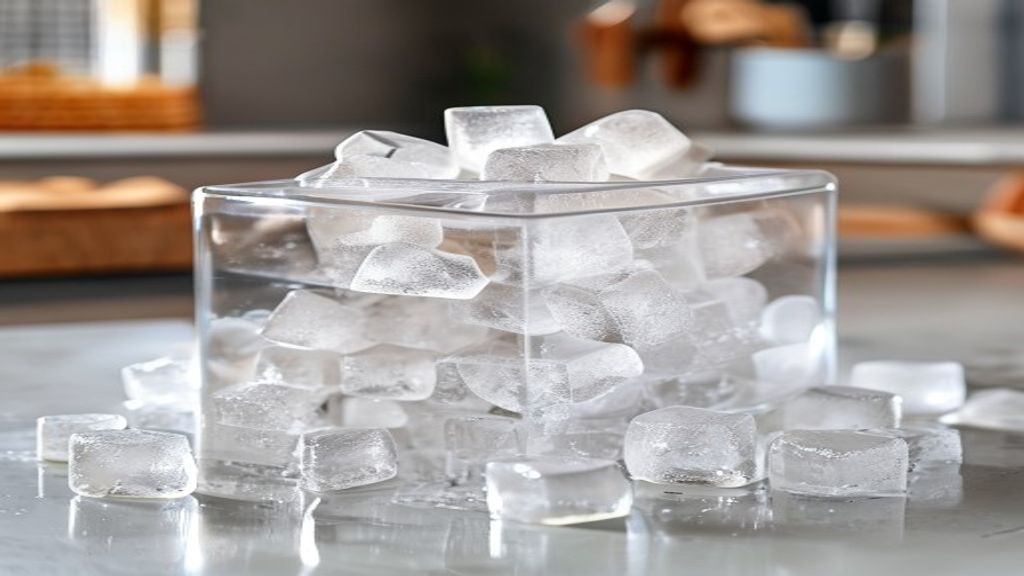
If you love the soft, chewable ice served at restaurants and drive-thrus, a cubelet ice maker can bring that same texture into your kitchen or small café. Unlike hard cubed ice, cubelets are smaller, softer pellets that chill drinks quickly without watering them down as fast. For more background, see Learn more about cubelet ice maker.
At Ice Maker Guides, we break down how cubelet ice makers work, which features matter most, and how to keep yours running cleanly so every glass tastes fresh. Whether you want better iced coffee, soft drinks, or blended drinks, this guide will help you choose and use a cubelet ice maker with confidence.
What Is a Cubelet Ice Maker?
A cubelet ice maker produces small, soft ice pellets—often called nugget ice, pellet ice, or chewable ice. These pieces have a porous texture that absorbs flavor while staying easy to chew, which is why so many people prefer them over solid cubes.
Most home models use a compressed auger system: water freezes on a chilled cylinder, and a rotating auger scrapes and presses the ice into tiny pellets. Commercial units may produce higher volumes, but the basic idea is the same—soft ice on demand.
Cubelet ice vs. regular cubed ice
Cubed ice is dense and melts more slowly, but it can feel hard and dilute drinks unevenly. Cubelet ice melts a bit faster because of its airy structure, yet many drinkers find drinks colder and more enjoyable because the ice fills the glass and holds flavor well.
Who benefits most from cubelet ice
Home entertainers, coffee lovers, soft-drink fans, and small businesses that serve iced beverages often get the most value. If you refill ice several times a day, a dedicated cubelet ice maker is usually more convenient than buying bags of specialty ice.

How to Choose the Best Cubelet Ice Maker
Buying a cubelet ice maker starts with matching capacity, size, and features to your daily ice needs. A unit that is too small will run constantly; one that is oversized may waste counter space and energy.
Focus on daily ice production (pounds per day), storage bin size, noise level, and whether the machine is freestanding or undercounter. Also check water connection options—some models are pour-in, while others hook up to a water line for continuous filling.
Key specs to compare
Look at ice output rate, first-ice time, bin capacity, and energy use. If the machine will sit in an open kitchen or office, quieter operation and a clear ice-level window make day-to-day use easier.
Countertop vs. undercounter models
Countertop cubelet ice makers are usually simpler to install and move. Undercounter models free up workspace and often pair better with a permanent water line, which suits busier homes or light commercial use.
Setup, Use, and Cleaning Tips
A cubelet ice maker works best when it has good airflow, clean water, and a stable surface. Leave space around vents, use filtered water when possible, and avoid packing the bin so full that ice sticks together.
Fresh ice tastes better and lasts longer when you empty older ice regularly and keep the bin dry between deep cleans. Soft ice can pick up fridge or room odors, so routine care matters as much as the machine’s quality.
Simple daily and weekly habits
Wipe spills, discard leftover ice if the machine sits unused, and check that the water reservoir or line is free of mineral buildup. Once a week, rinse removable parts according to the maker’s instructions.
Deep cleaning for better taste
Follow the manufacturer’s descaling and sanitizing schedule, especially if you have hard water. A clean evaporator and bin help prevent off flavors, cloudy ice, and reduced production over time.
Common Mistakes to Avoid With Cubelet Ice Makers
Many performance issues come from placement, water quality, or skipping maintenance—not from a defective machine. Blocking vents, using hot tap water, or running the unit in a hot garage can slow ice production.
Another frequent mistake is expecting restaurant-level output from a compact home model. Check the stated pounds-per-day rating and plan for parties by making ice ahead or using a backup cooler.
When soft ice melts too fast
Serve drinks promptly, pre-chill glasses, and keep the bin closed. Soft cubelets chill well but are not meant for long-term outdoor coolers without insulation and frequent topping up.
Frequently Asked Questions
What is a cubelet ice maker?
A cubelet ice maker is a machine that makes small, soft, chewable ice pellets instead of hard cubes. The ice is porous, flavor-friendly, and popular for soft drinks, iced coffee, and blended beverages.
Is cubelet ice the same as nugget ice?
Yes—cubelet ice, nugget ice, and pellet ice generally refer to the same soft, chewable style of ice. Brand names and machine models may use different terms, but the texture is similar.
How long does it take a cubelet ice maker to produce ice?
Many countertop models start making ice within 10 to 20 minutes, then continue producing batches throughout the day. Exact timing depends on room temperature, water temperature, and the unit’s capacity.
Do I need a water line for a cubelet ice maker?
Not always. Some cubelet ice makers use a pour-in reservoir, while others connect to a water line for automatic refill. Choose based on how often you want to refill and where you plan to place the machine.
How often should I clean a cubelet ice maker?
Wipe and empty as needed, then deep clean and descale on the schedule in your manual—often every one to three months, or more often with hard water. Regular cleaning keeps ice tasting fresh and output steady.
Is a cubelet ice maker worth it for home use?
If you drink a lot of iced beverages and prefer soft ice, yes. It can save trips for bagged specialty ice and gives you a consistent supply, especially for families, home bars, and frequent entertainers.
Conclusion
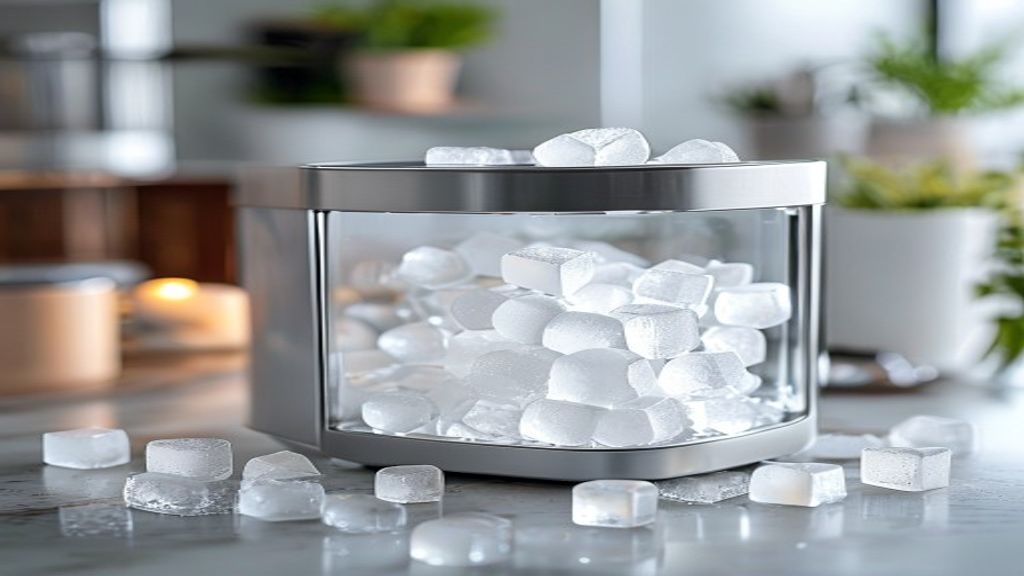
A cubelet ice maker is one of the easiest upgrades for better iced drinks at home or in a small business. Soft, chewable ice cools quickly, holds flavor well, and feels more enjoyable than hard cubes for many people.
Use this Ice Maker Guides overview to compare capacity, installation style, and cleaning needs before you buy. Once your machine is set up and maintained, you can enjoy restaurant-style cubelet ice whenever you want—without the last-minute store run.


Comments
Post a Comment