Ice Maker Cubelet Guide: Soft Chewable Ice at Home
Ice Maker Cubelet Guide: Soft Chewable Ice Explained
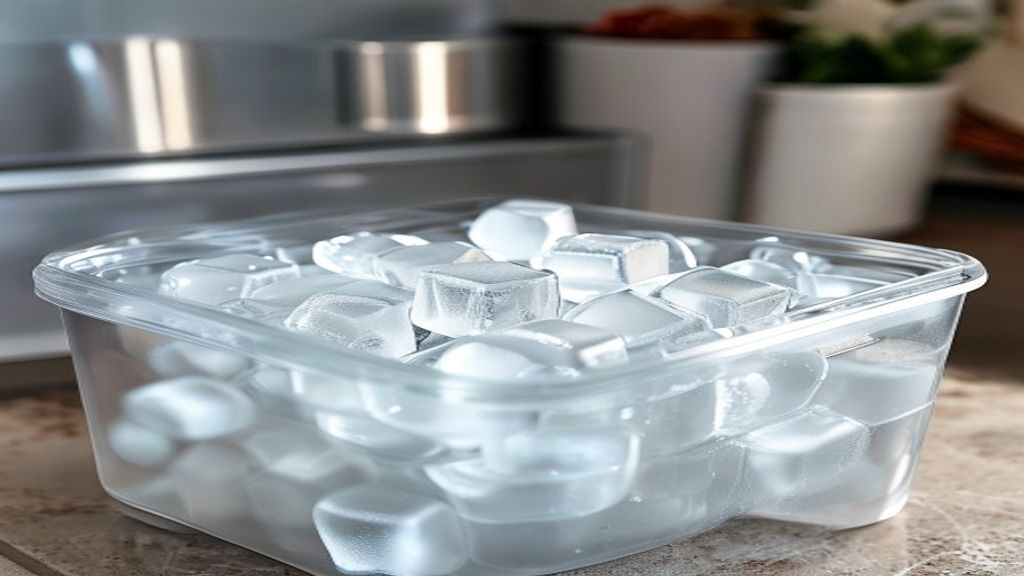
If you love the soft, chewable ice from your favorite soda fountain, an ice maker cubelet can bring that same texture home. Cubelet ice—also called nugget or pebble ice—forms as small, porous pieces that chill drinks fast without watering them down as quickly as hard cubes. For more background, see Learn more about ice maker cubelet.
At Ice Maker Guides, we help you understand how cubelet machines work, what to look for when buying one, and how to keep ice tasting fresh. Whether you want better iced coffee, softer cocktails, or everyday freezer ice that is easy to chew, this guide covers the essentials.
Below you will find clear buying tips, maintenance advice, and practical answers to common cubelet ice questions—so you can pick a machine that fits your kitchen and your habits.
What Is an Ice Maker Cubelet?
An ice maker cubelet produces small, irregular pieces of soft ice by compressing flaked ice into bite-sized nuggets. The result is airy, chewable ice that absorbs flavors well and feels gentler on teeth than solid cubes. Many people prefer it for soft drinks, smoothies, and blended drinks because it packs tightly and cools quickly.
Unlike tray ice or standard crescent cubes, cubelet ice has a porous structure. That means your drink stays colder with a pleasant crunch, and the ice melts in a more even, gradual way when used correctly.
Cubelet ice vs. nugget and pebble ice
Cubelet, nugget, and pebble ice are closely related terms. Most home machines marketed as cubelet ice makers make the same style of soft, chewable ice. Naming differs by brand, but the texture—soft, compact, and easy to chew—is the shared benefit.
Where cubelet ice shines
Cubelet ice is popular for fountain-style sodas, iced tea, cold brew, and blended beverages. It also works well in coolers for short outings because the pieces nest together and hold cold air between them.

How to Choose the Right Ice Maker Cubelet
Choosing an ice maker cubelet starts with capacity, noise, size, and cleaning access. Think about how much ice you use daily, whether you need a countertop or freestanding unit, and how easy it is to empty and sanitize the bin. A machine that makes soft ice quickly is only a good fit if it also fits your space and routine.
Look for clear production ratings (pounds per day), storage bin size, water fill method (manual reservoir vs. plumbed), and filter options. Also check warranty coverage and replacement part availability before you buy.
Countertop vs. undercounter options
Countertop ice maker cubelet models are easier to set up and move, and many use a refillable water tank. Undercounter or freestanding units often produce more ice and can connect to a water line, which is better for high-demand homes or small offices.
Features that improve daily use
Helpful features include a self-cleaning cycle, removable baskets, water filters, low-water alerts, and insulated bins that slow melting. If you share a kitchen, quieter operation and a clear ice-full indicator can make the machine less disruptive.
Setup, Use, and Care for Better Cubelet Ice
For best results, place your ice maker cubelet on a level surface with space for airflow. Use clean, cold water—filtered water often improves taste and reduces mineral buildup. Empty old ice regularly, and avoid leaving ice in a warm room for long periods if the bin is not well insulated.
Consistent cleaning keeps cubelet ice tasting fresh and helps the machine run efficiently. Follow the manufacturer’s schedule for descaling and sanitizing, especially if you have hard water.
Simple cleaning routine
Wipe the bin and exterior weekly. Run a cleaning or vinegar-based descaling cycle as directed, rinse thoroughly, and dry removable parts before reassembling. Never use harsh abrasives on food-contact surfaces.
Taste and texture tips
If ice tastes off, replace the water, clean the reservoir, and check any filter. Soft ice quality can also drop when the machine is overcrowded, overheated, or due for descaling—so airflow and maintenance matter as much as the model itself.
Common Mistakes to Avoid With Cubelet Ice Makers
Many first-time owners expect freezer-like storage from every ice maker cubelet. Most countertop units are ice producers, not long-term freezers, so ice can melt or clump if left too long. Transfer surplus ice to a freezer bag if you need to store it overnight.
Another common issue is skipping water quality and cleaning. Mineral scale slows production and can change ice texture. Using the wrong cleaner, blocking vents, or overfilling the reservoir can also reduce performance.
When soft ice is not the best choice
Cubelet ice is excellent for drinks you want to sip and chew, but hard cubes or spheres may be better for spirits you want to dilute slowly. Match the ice style to the drink, not the other way around.
Frequently Asked Questions
What is an ice maker cubelet?
An ice maker cubelet is a machine that makes small, soft, chewable pieces of ice—often called nugget or pebble ice—ideal for sodas, iced coffee, and everyday cold drinks.
Is cubelet ice the same as Sonic-style ice?
It is very similar. Many people buy an ice maker cubelet specifically to recreate that soft fountain-style texture at home, though exact size and density can vary by brand.
How much ice does a typical ice maker cubelet produce?
Production varies widely by model. Compact countertop units may make enough for a few drinks at a time, while larger machines can produce many pounds per day. Check the manufacturer’s daily output and bin capacity for a realistic estimate.
Does cubelet ice melt faster than regular cubes?
Because cubelet ice is porous, it can melt a bit faster in warm conditions, but it also chills drinks quickly and packs tightly. For storage, move extra ice to a freezer if your machine’s bin is not designed for long holding times.
How often should I clean my ice maker cubelet?
Clean the bin and contact surfaces regularly—often weekly with frequent use—and descale on the schedule in your manual, or sooner if you have hard water or notice cloudy ice, slow production, or off tastes.
Can I use tap water in a cubelet ice maker?
Yes, if your tap water is safe to drink. Filtered water is usually better for taste and can reduce mineral buildup. Always follow your model’s water and filter guidance.
Conclusion
An ice maker cubelet is a smart upgrade if you want soft, chewable ice for everyday drinks without relying on restaurant visits. Focus on capacity, cleanup, water quality, and the features that match how you actually use ice at home.
Explore more buying and care guides from Ice Maker Guides, compare models that fit your space, and put a simple cleaning routine in place from day one—so every batch of cubelet ice stays fresh, cold, and ready to enjoy.


Comments
Post a Comment